Recovery week, four moves
Thermal water, quiet time, and Slovenian spa culture
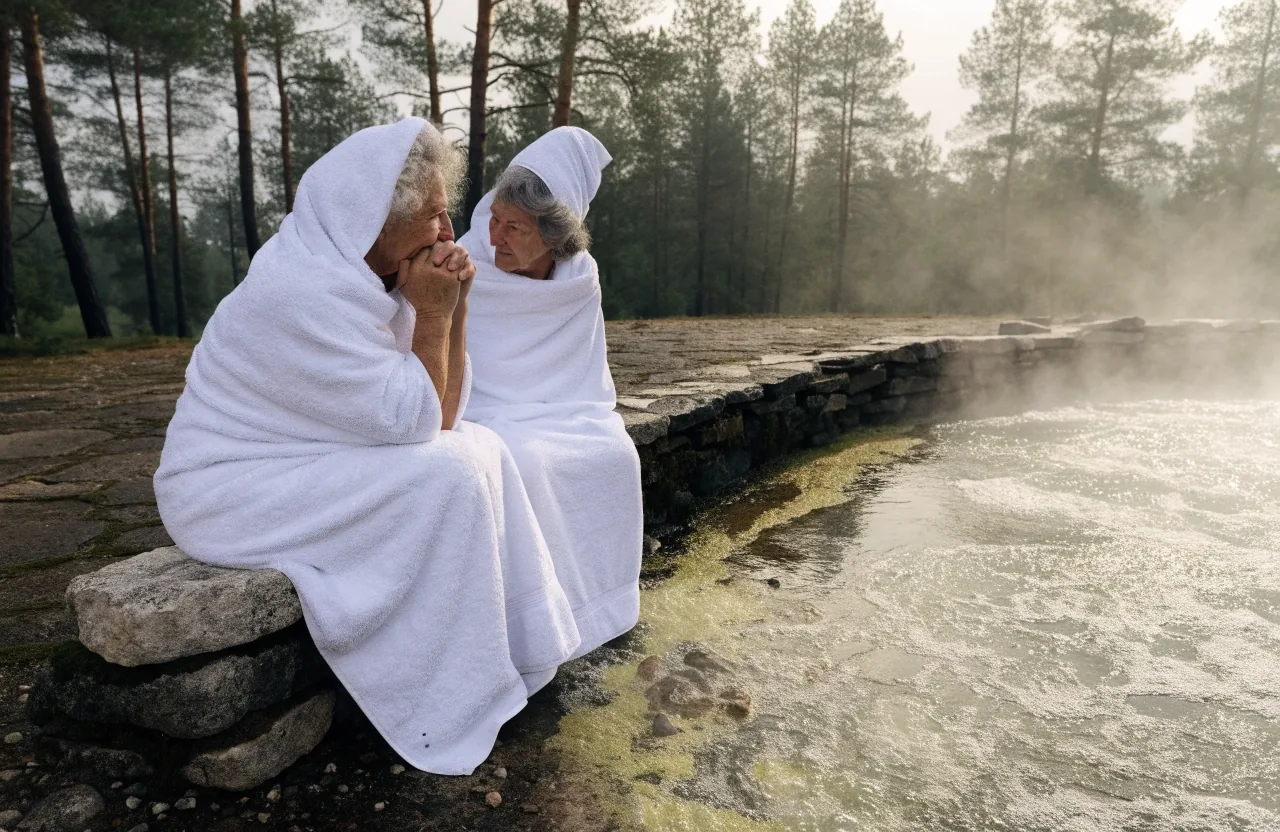
Slovenia has a long association with thermal water and health resorts, and that tradition is more practical than it sounds. Warm water, gentle movement, decent food, enough quiet — the useful counterweight to a working week spent sitting and staring at screens.
- Warm soak, no agenda
- Slow walk on wet gravel
- Contrast shower, warm then cool
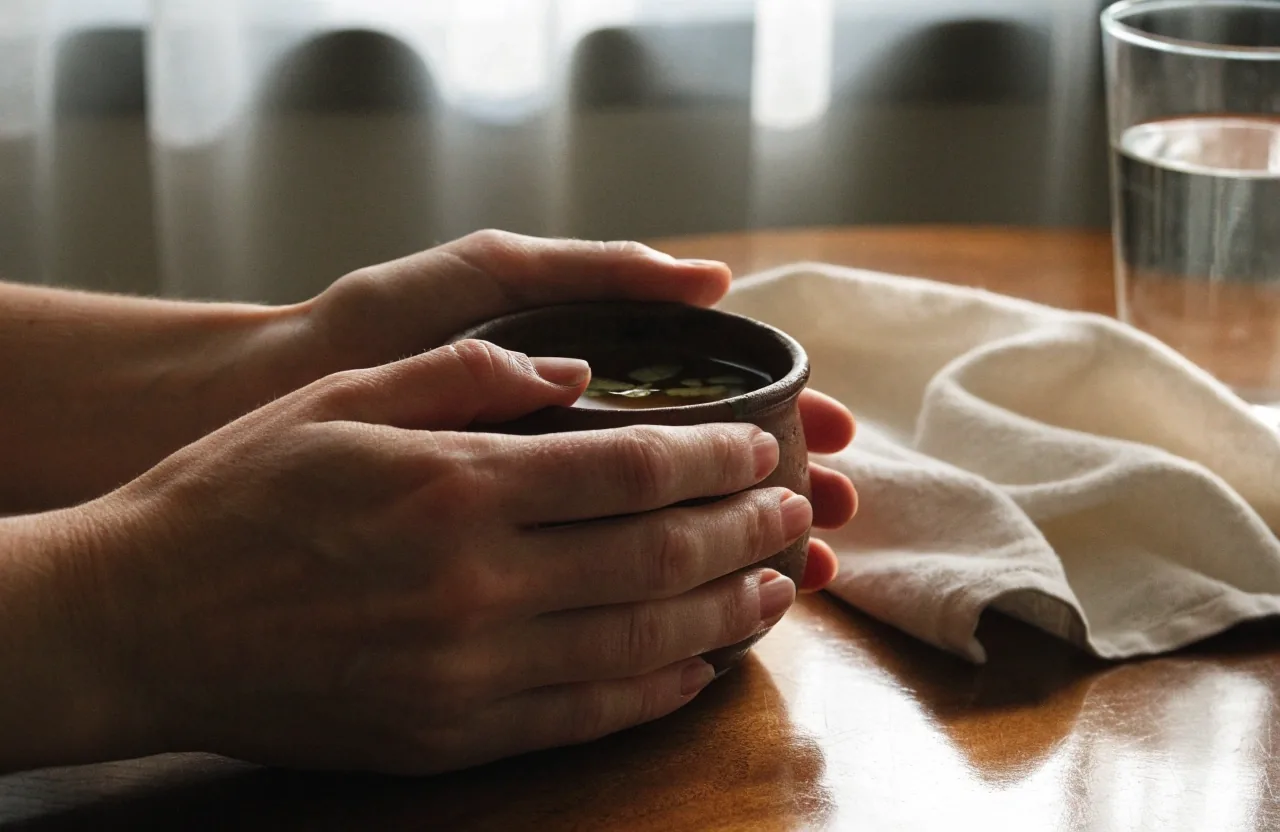
- Sit down with a herbal tea
What thermal water actually is
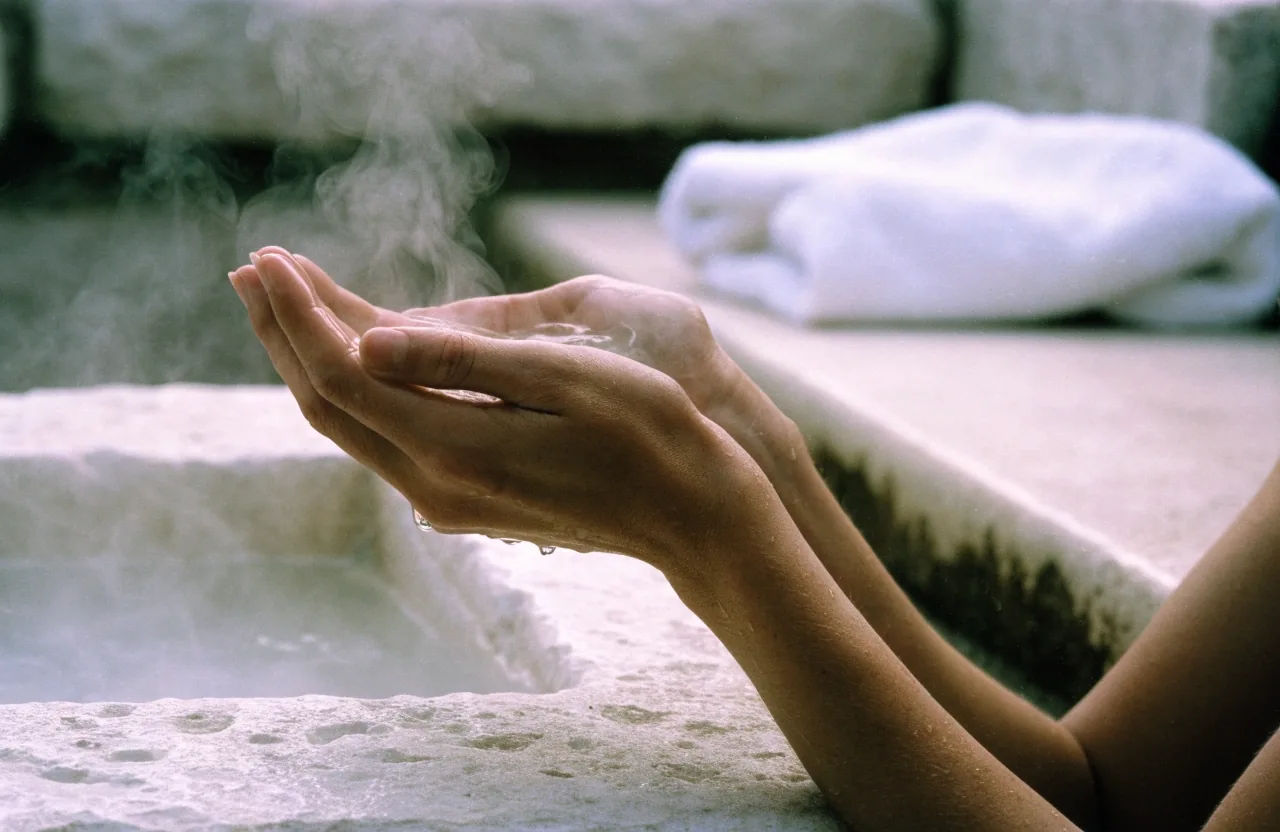
Thermal water comes from underground sources and reaches the surface naturally warm, often carrying a mineral load picked up on the way. That is the practical difference between a thermal spa and a heated hotel pool, which is simply warmed tap water. Mineral content and temperature vary by location, so two Slovenian health resorts an hour apart can feel nothing alike.
For most visitors the appeal is plain. Warmth relaxes muscles, and being in water takes weight off joints that complain after a long day at a desk. It is not a medical treatment and does not need to be. Think of it as the easiest possible way to get your body out of a chair and into a different temperature, with no equipment and no learning curve.
One practical note before you book: ask whether the property sits on its own source. Properties fed by a genuine thermal spring usually say so plainly, and you can tell from the water itself — a faint mineral smell, a slightly silky feel on the skin, and warmth that arrives without visible jets.
- Source
- underground
- Arrives at surface
- naturally warm
- Varies by location
- temperature, minerals
- Best felt in
- short soaks
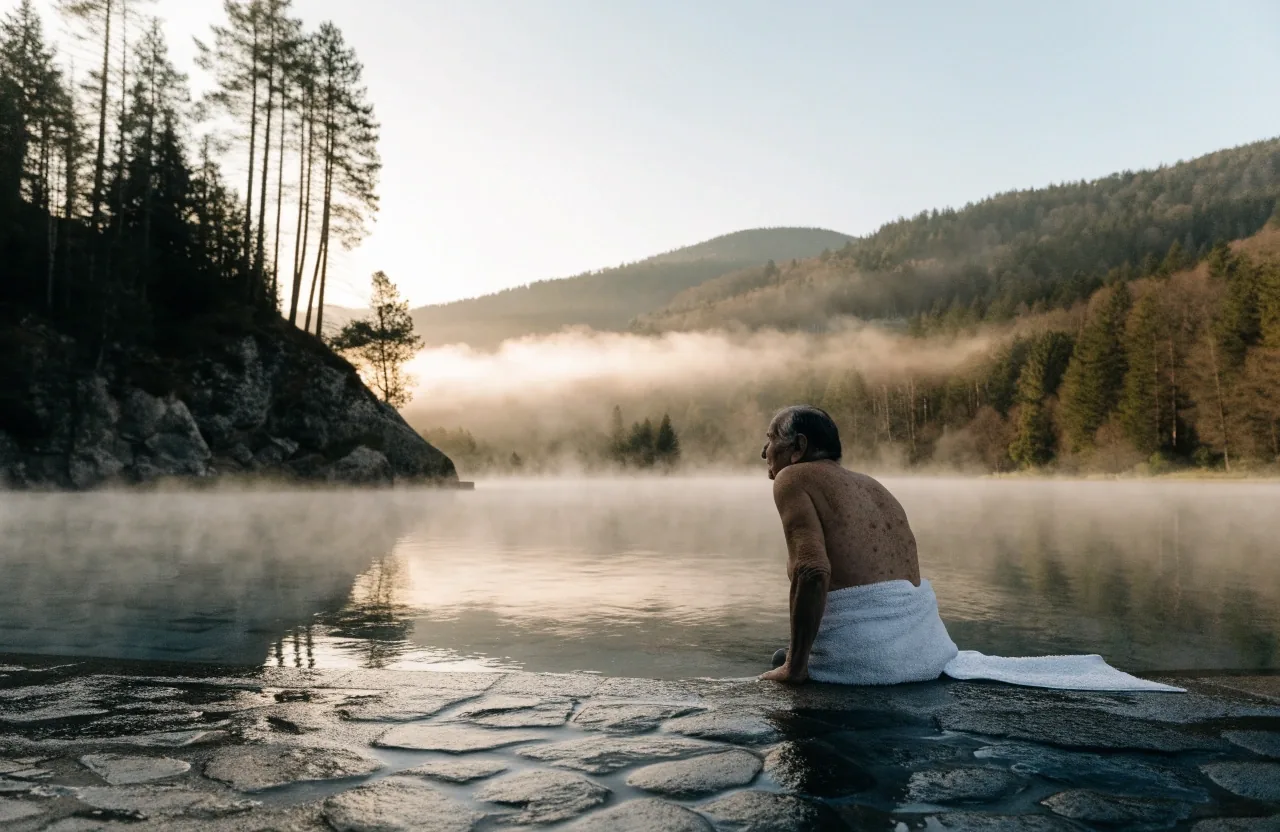
Meditation in nature, slow walks, and time near water are part of the local routine — not extras you schedule after everything else.
The Kneipp approach, explained simply
NaturHotel Snovik, highlighted in 2026 wellness-travel coverage, uses the Kneipp approach — water, movement, food, herbs, and balance worked into one daily rhythm. Sebastian Kneipp's original idea was modest: simple, repeated exposure to water, walking, and everyday activity supports wellbeing over time.
In practice that means cold and warm water applications, barefoot walking where the ground is safe, herbal teas, and a structure you repeat rather than a treatment you receive once. Most of it travels home with you, and most of it is free.
Contrast shower
Warm water first, then a short cool pass, then warm again. Two or three rounds at home cover the whole idea.
Barefoot walking
Grass, wet stones, or a shallow treading channel where it is safe underfoot. Keep it to a few minutes at first.
A cup of tea
Part of the ritual rather than a remedy — an unhurried ten minutes that ends the soak and slows your breathing down.
Same time each day
Repetition is the method. A small routine you actually keep beats an ambitious one you visit twice a year.
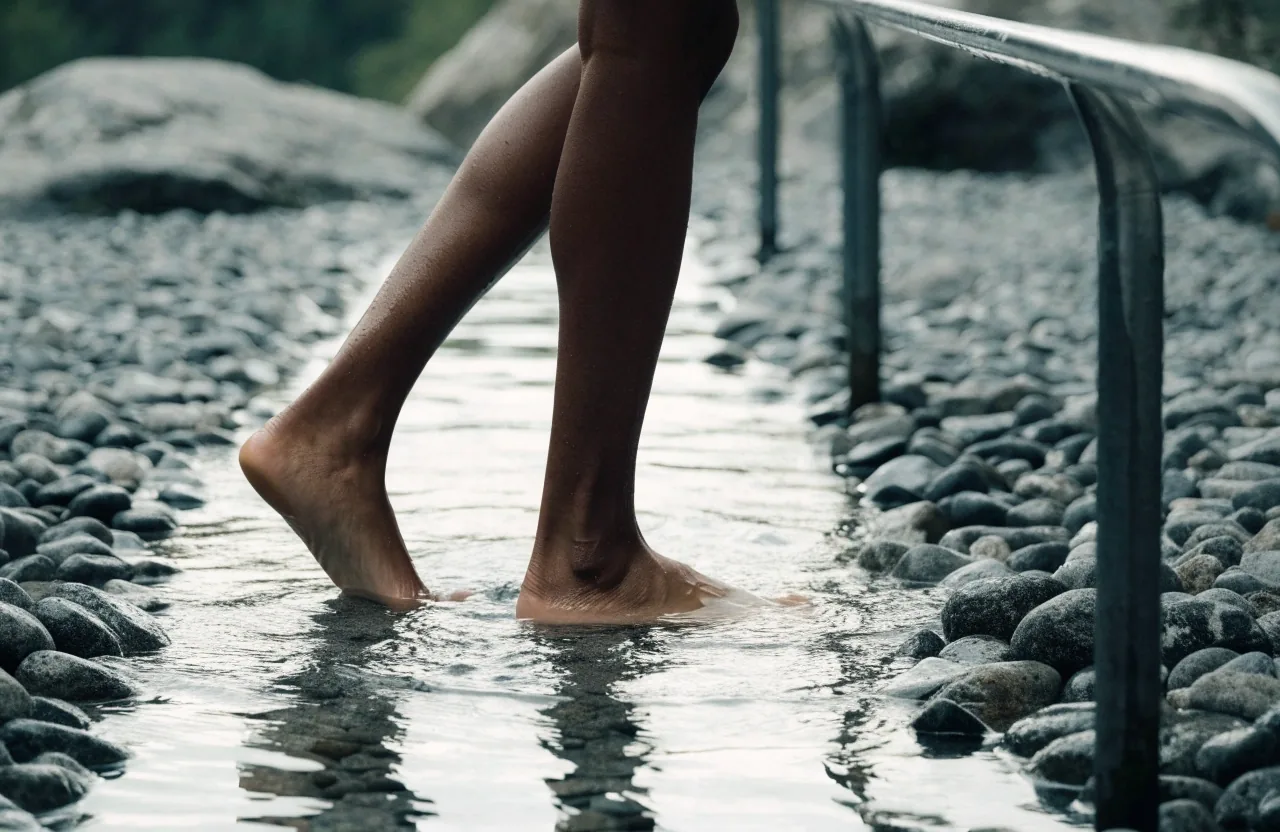
A treading channel at a wellness hotel — cold water, rounded stones, a handrail.
Spa treatments, described without hype
Massage, sauna, and warm-water soaking are the core treatments at most Slovenian spas, and they do roughly what you expect: relax muscles, slow your breathing, and give you a break from input. Some venues add mud wraps or mineral baths on top. None of these are cures, and none need to be. If a treatment promises to remove toxins or reset your metabolism, treat that as marketing.
Massage
Shoulders, back, or legs, usually 30 to 60 minutes. Ask for pressure you can breathe through and say so if it is too much.
Sauna
Short rounds with a cool-down and water between them. Leave earlier than you think you need to; sitting out is part of the format.
Warm-water soaking
The simplest option and often the one people remember. Twenty minutes in thermal water, no schedule, no instructor.
Mud wraps and mineral baths
Offered at some venues as an add-on. Enjoyable if you like the sensation; skip it without guilt if you do not.
Choose based on what feels restorative to you, and skip anything that sounds like a medical claim. A spa is a place to feel better for an afternoon, not a clinic with a nicer floor.
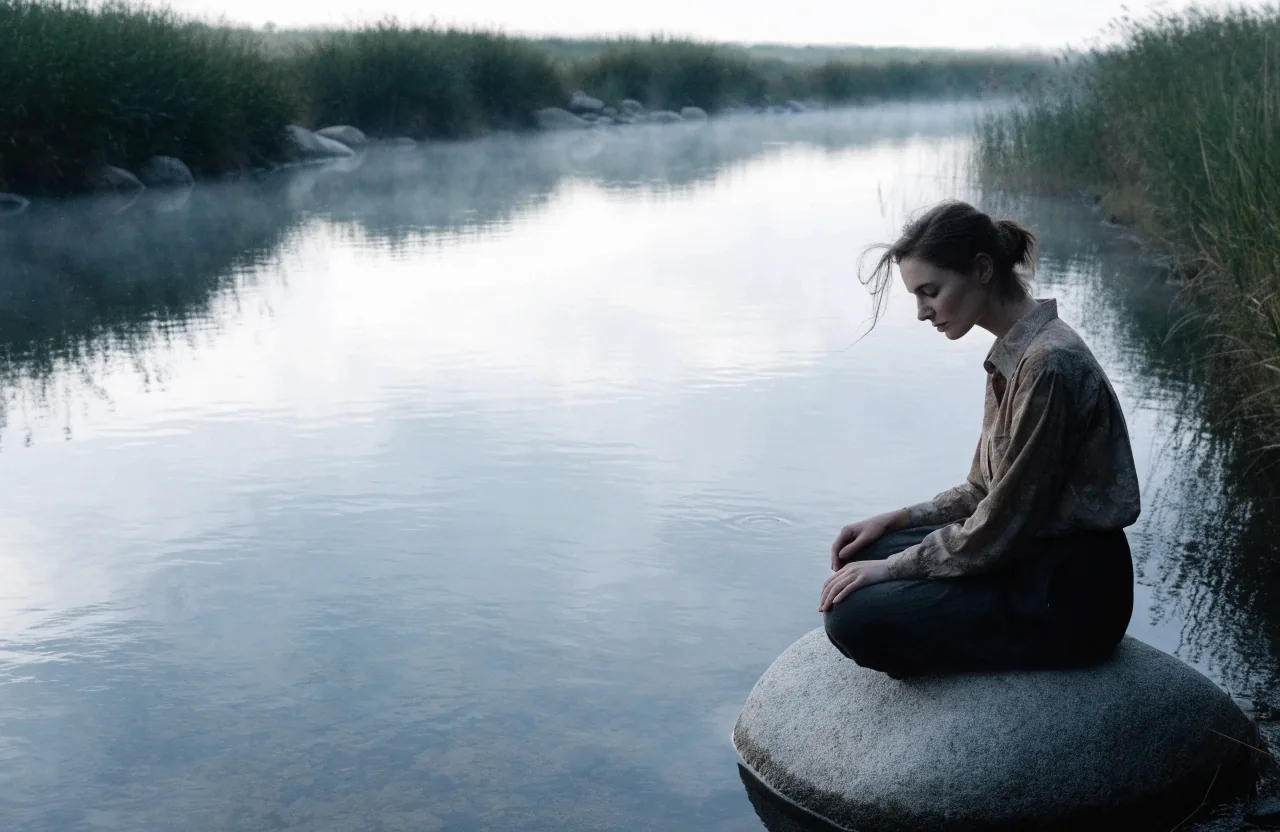
Quiet recovery and meditation in nature
Part of what makes Slovenian wellness distinct is how much of it happens outdoors. Meditation in nature, slow walks, and time near water sit in the local routine the way a treatment slot sits in a resort timetable — only cheaper and easier to repeat.
Slovenian tourism sometimes groups this under the idea of selfness: a life built around physical and mental health and steady energy, often paired with meditation and gentle exercise outside. Whatever you call it, the point is that recovery does not need a treatment room booked in advance. A quiet hour on a riverbank does the same work.
- Where
- outdoors
- Cost
- nothing
- Start with
- one quiet hour
Building recovery into a normal week
You do not need a resort to recover. A warm bath, twenty minutes of breathing, or an early night after a hard week covers most of it.
-
1
1 × week
Put it in the calendar
Schedule recovery the way you schedule a meeting. If it is not in the week, it does not happen — and treating it as a reward you only earn after burnout is how a quiet evening keeps sliding off the list.
-
2
20–60 min
Keep it small enough to repeat
One quiet evening a week is more useful than an annual spa trip you spend catching up on sleep and admin. Shorter and frequent wins here every time.
-
3
varies
Match the format to the week you had
A desk-heavy week usually answers to warmth and water. A week spent on your feet answers better to stillness — a dark room, no screens, or a slow stretch on the floor.
-
4
4 weeks
Log what actually helped
After a few weeks you will notice which habit earns its slot. Keep that one and drop the rest. Recovery is a small set of repeatable moves, not a long list of good intentions.
Movement and quiet days work better as a pair than either does alone.
How spa time fits the bigger picture
Recovery supports the other habits rather than replacing them. Sleep badly and movement feels harder; movement gets harder and diet tends to follow. Spa and thermal water give you a low-effort way to reset, particularly if you are coming back from illness or a stressful stretch at work.
Pair it with the routines on Movement and Active Days and the sleep guidance on Everyday Habits. For preventive health questions, see Preventive Checkups.
Choosing a format that suits you
Health resorts range from large wellness complexes to small guesthouses with a thermal pool, and the right choice depends on whether you want treatments, quiet, or family facilities. Couples often look for a balance of both; solo visitors tend to prefer quieter venues. If you are combining a stay with activity, look for places with marked walking routes nearby. The format matters more than the star rating, and a modest place with good water and quiet beats a busy resort if rest is your goal.
A larger complex with a treatment list and staff who work with bookings. Expect more people and more noise near the pools.
Smaller guesthouses with a thermal pool and a short walk to water. Fewer facilities, less scheduling, easier to actually rest.
Look for shallow pools, lifeguarded hours, and rooms close to the water so a wet walk back is not part of the day.
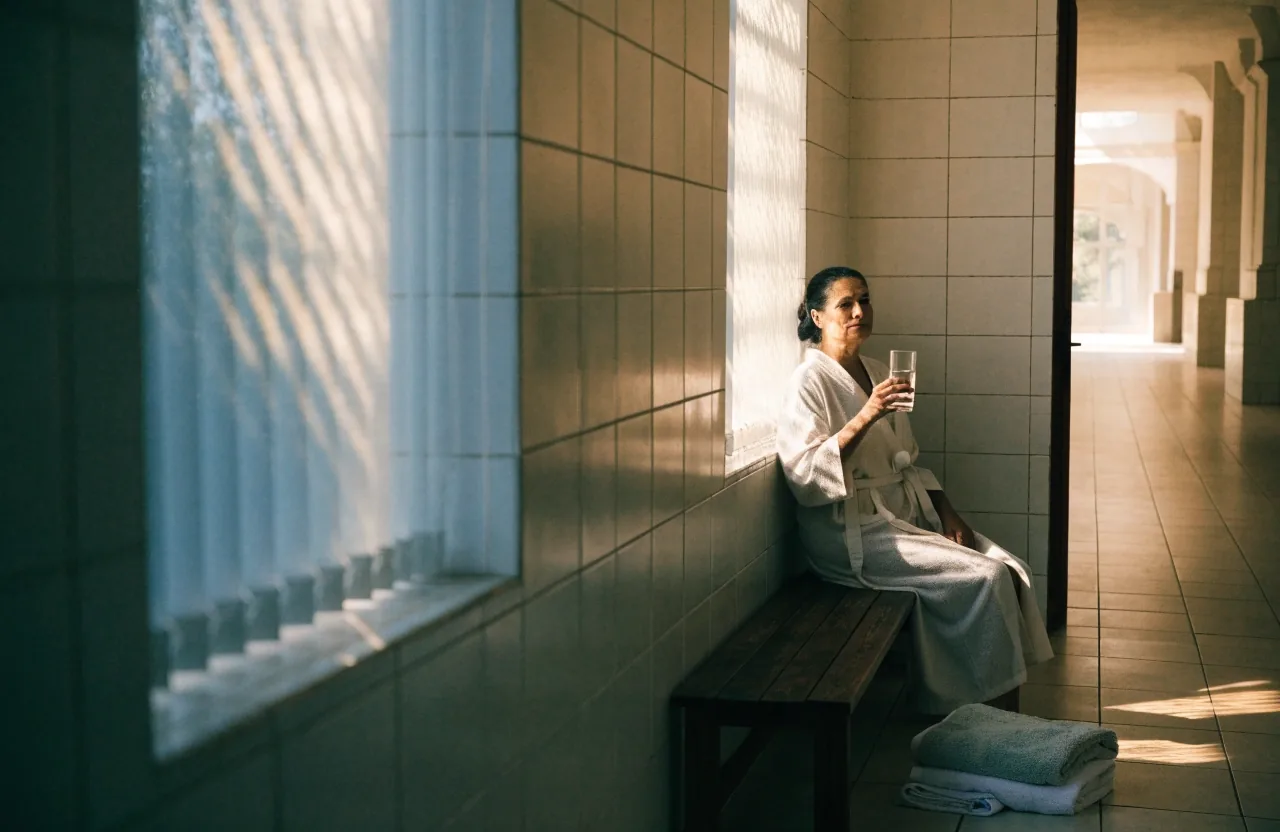
A reasonable first visit
If you have not been to a Slovenian spa before, plan a short stay and keep the schedule light. One treatment, two soaks, and a walk each day is plenty. Drink water, eat normally, and do not try to fit in every facility. The point is to leave rested, which is easier to reach with fewer items on the list.
Bring what you would normally take to a pool and nothing more: swimwear, a towel if the venue does not supply one, sandals, and a water bottle. Most Slovenian spas rent robes and towels on site, and the ones with thermal water usually keep the pools open from early morning until late evening.
Questions visitors ask before booking
Do I need to book treatments ahead?
At larger resorts, yes for massage and anything with a therapist — a day ahead is usually enough outside peak weekends. Thermal pools and saunas rarely need booking; you walk in and find a spot. Smaller guesthouses often ask you to say at breakfast what you would like that day.
How long should a first soak be?
Fifteen to twenty minutes, then out, cool down, and drink water before going back in. Warm water keeps working on you after you leave it, so a short first session tells you more than a long one. If you feel light-headed, step out — that is normal and not a reason to push through.
Is thermal water a treatment for anything?
No. Warm mineral water is pleasant and relaxing, and that is the honest description. If you have a health condition, ask your doctor whether a particular spa format suits you before you book — a spa is not a substitute for a checkup or for advice from someone who knows your history.
What should I bring?
Swimwear, sandals, and a water bottle. Most venues rent robes and towels, so packing for a spa is lighter than people expect. If you plan to walk between facilities outdoors, add a warm layer for the walk back.
How this page is put together
Nutrition, Vitality & Rest writes about habits and routines, not treatments. Every claim on this page describes what a spa visit is like and what it is not, and where a question needs a clinician — medication, a diagnosis, an ongoing condition — we say so and point you to a checkup instead of answering it ourselves.
- Written by
- editorial team
- Location
- Ljubljana, SI
- Reviewed
Something you think we got wrong, or a Slovenian spa format worth describing? Write to us at the editorial team and tell us which paragraph you mean.