About Nutrition, Vitality & Rest
About Nutrition, Vitality & Rest and how we work
An English-language guide to everyday wellness for adults in Slovenia, kept plain, calm, and honest about where our limits are.
Written for adults aged 30 to 70 who work a normal week and want the calm version of what helps.
Who we write for
Our readers are mostly adults between 30 and 70 in Slovenia, men and women, living with a normal working week. Some are office-based in Ljubljana or Maribor, some work shifts, some are approaching retirement and thinking about how the next decade looks. We assume no medical training and no interest in a strict regimen. If a piece only makes sense to someone already training five times a week, we rewrite it.
That shapes the writing more than anything else. Advice has to survive a busy Tuesday: a lunch break that got eaten by a meeting, a commute that ran long, a week where the weather cancelled the walk. When we test a page against a reader, we ask whether someone with a job, a family, and an ordinary amount of energy could actually start it this month. If not, the page goes back for another draft.
We also keep the language plain on purpose. Many of our readers use English as a second or third language, and Slovenia's health vocabulary does not always translate cleanly. Simple sentences are not a reduction; they are the point.
Reader profile
- Age range we write for
- 30 – 70
- Medical training assumed
- none
- Reading level
- plain English
Research process
How content is researched
We build pages from public health information, official Slovenian policy documents, and well-established general guidance on sleep, movement, nutrition, and recovery. Where a topic involves national programs, we refer to them by name: the National Health Care Plan 2026-2035, the National Cancer Control Programme, and the National Cardiovascular Disease Programme set to be adopted by 2027. We do not cite individual studies as proof of a specific outcome, and we do not invent numbers.
Practically, that means every page opens with a short question: what is the reader most likely to be confused about here? If the honest answer is "the difference between a screening interval and a symptom", we write that comparison instead of a list of tips. When guidance changes, the page changes with it, and the date at the foot of a page tells you when it was last checked.
Sources
Public health and policy documents
Official Slovenian programmes and general wellness guidance on sleep, movement, food and recovery form the base layer for every page we publish.
Method
Plain writing before polish
Each draft is read aloud. Anything that sounds like a brochure, a diagnosis or a lecture gets cut before the page goes live.
Review
Updated when guidance moves
We revisit pages when official advice shifts or when readers spot something out of date, and corrections come before new writing.
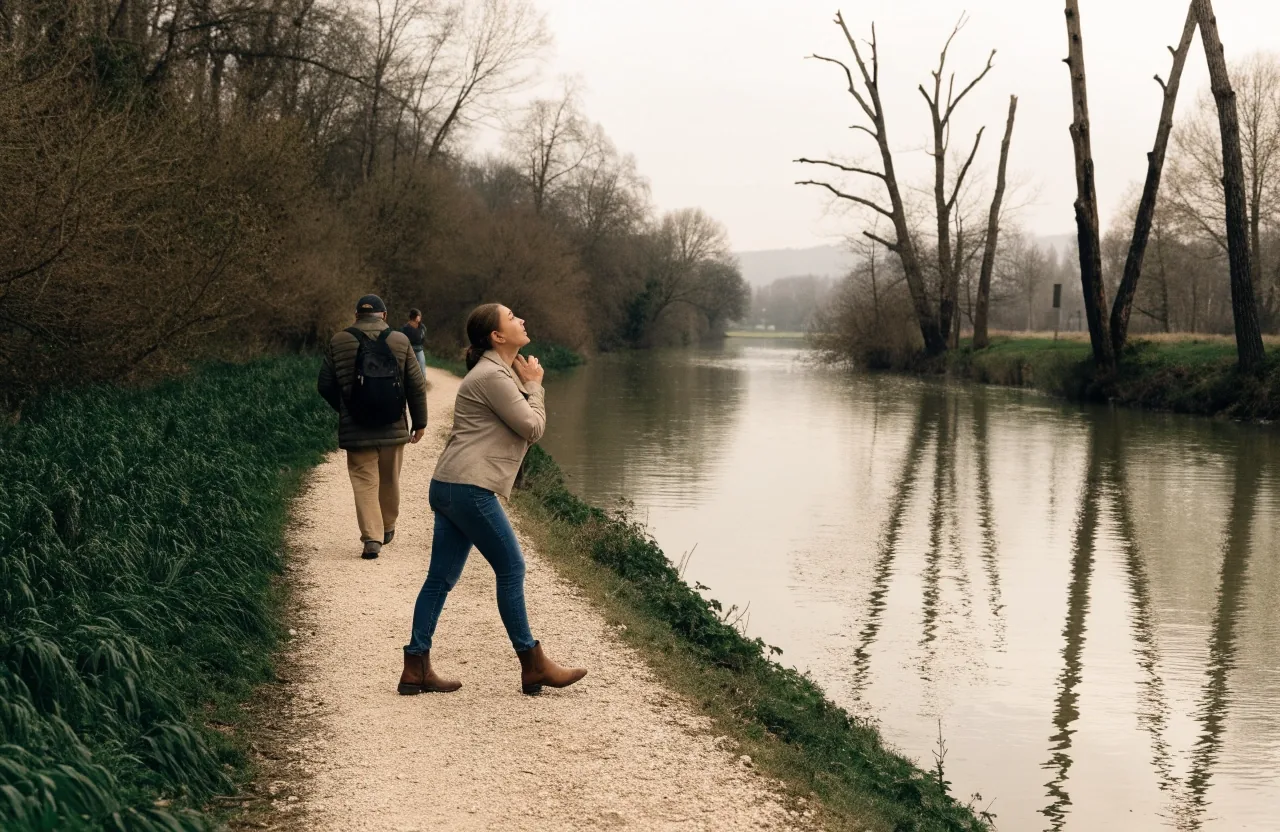
Reading is where it starts. What you do with it on an ordinary morning is the part that counts.
What we won't publish
The list is short because the reasons are simple. Every item below would either overstate what a lifestyle change can do, or ask you to trust a number we cannot show you.
Cure claims and guaranteed outcomes
We describe routines, not results you were promised. Nothing here treats, reverses or resolves a medical condition.
Detox promises
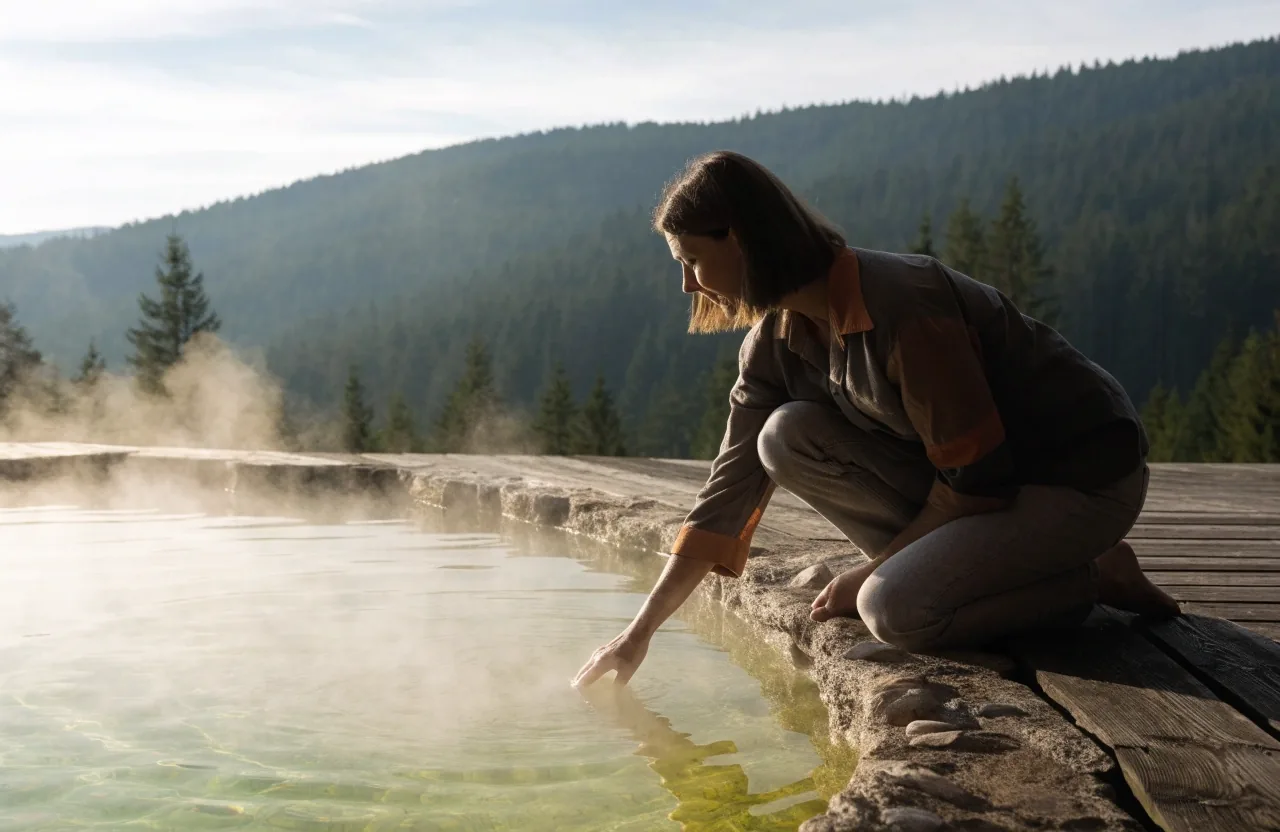
Slovenia has a real thermal and spa tradition, and we write about it as rest, warmth and recovery — not as a way to purge anything.
Invented testimonials and ratings
We have no reader reviews to quote and no score to display, so you will not find either on this site.
Before-and-after material
We do not have verified evidence behind that kind of image, so we will not publish one to sell a change.
Lifestyle advice as a substitute for treatment
If a page touches on a condition, it points toward a clinician. Walking and eating differently are not presented as a replacement for care.
Editorial standards
Every page is checked for three things before it goes live. They are the same three questions each time, and a page that fails one of them does not get published as it stands.
-
1
Are the claims supported?
If a sentence makes a claim about health, we check it against the sources we actually used on that page — not against a source we would like to have used.
-
2
Do medical topics point to care?
Pages that touch on a condition direct readers to an appropriate clinician rather than implying that a routine will resolve it.
-
3
Is the advice realistic?
We ask whether the routine fits someone with a job, a family and a normal week before we ask whether it is theoretically optimal.
We update pages when official guidance changes or when readers point out something out of date. Language is plain English, written for readers who may not have it as a first language.
Contact the editorsThe themes we cover
Some of these are distinctly Slovenian, like selfness and the country's thermal tradition. Others are universal, like sleep and movement. We try to treat both with the same practical tone, and each has a place on the site you can start from.
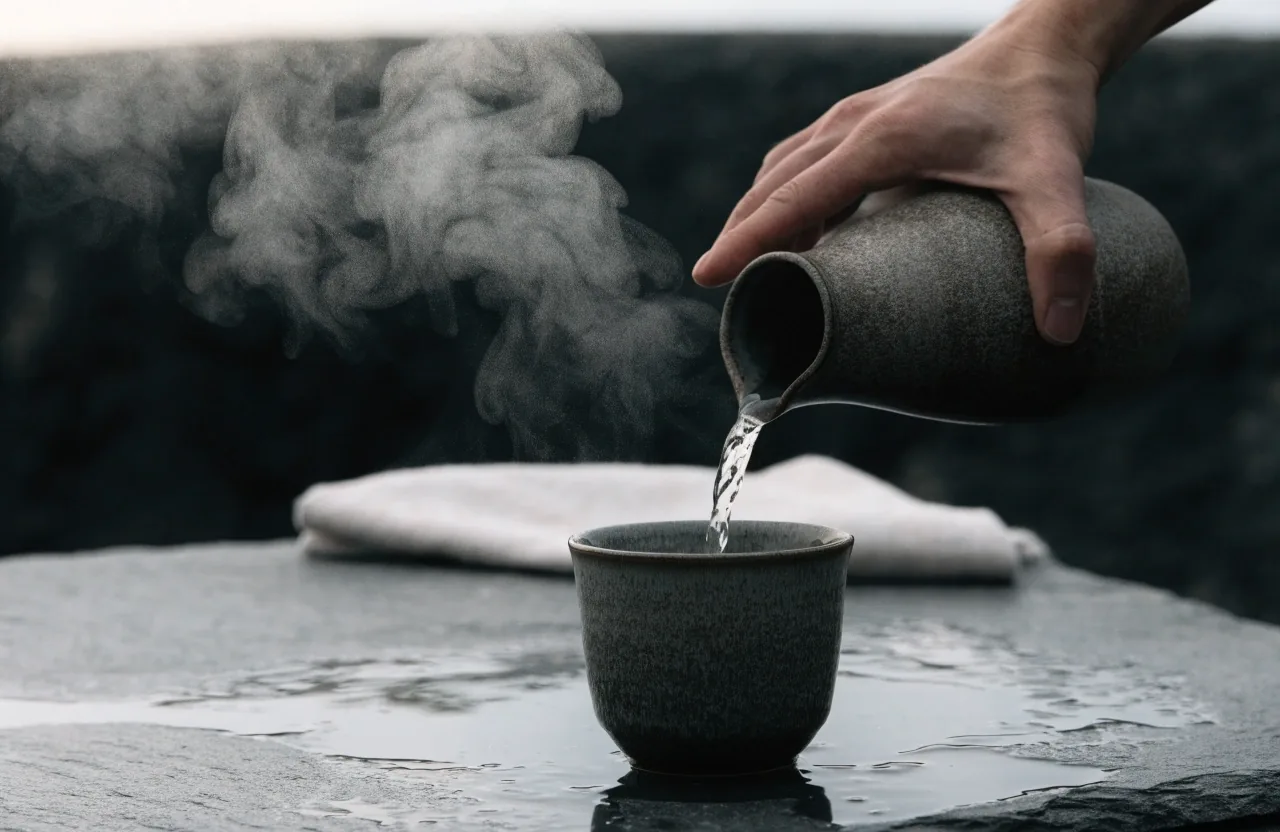
Recovery and thermal culture
The country's spa and thermal tradition is one of the reasons recovery reads differently here than in a generic wellness guide. We cover what warmth, rest and unhurried days actually contribute to a working week, and where a soak is simply pleasant rather than medicinal.
Recovery and Spa CultureEveryday habits
Sleep, sitting, screen time and the small rituals that fill a Tuesday. Mostly unglamorous, mostly repeatable.
Visit Everyday HabitsMovement and active days
Walking, cycling and active holidays in Slovenia — including how to keep a rhythm when the week goes sideways.
Movement and Active DaysNutrition basics
Ordinary food, ordinary portions, no strict plan to abandon by Thursday. What changes and what stays the same over a decade.
Nutrition BasicsPreventive checkups
What the national programmes cover, how a screening interval differs from a symptom, and what to prepare before an appointment.
See Preventive CheckupsCorrections and corrections first
If something on the site is wrong, unclear, or out of date, tell us. Corrections get priority over new content, and we would rather fix a page than defend it. Our Contact page explains how to reach the editorial team. If you are a healthcare professional and you spot an error, that is especially useful to hear.
How to reach us
- [email protected]
- Phone
- +386 2 250 8192
- Hours
- Mon–Fri, 9:00–18:00
What this site is not
We are not a medical provider, and we do not offer diagnoses, treatment, or personalized medical advice. We do not have a clinic, and we do not partner with one. We also do not accept sponsored placements that would change what we write.
If you need clinical guidance, contact your family doctor or an appropriate specialist. This site is the reading you do before or after that appointment, not instead of it. That boundary is deliberate, and it is the main reason the guide can stay calm about what a routine will and will not do.
The same limit applies to the people who write here. We are an editorial team, not a clinic, and we do not answer medical questions by email. When a reader asks us something clinical, we point them to the right place to ask it properly.
Editorial office
Nutrition, Vitality & Rest
Gosposka ulica 14
1000 Ljubljana, Slovenia
Editorial standards, in short
- Sources are named on the page they support, not summarized vaguely.
- No number appears on the site unless we can point to where it came from.
- Medical topics carry a route to a clinician, not a workaround.
- Feedback and corrections are read before the next article is written.
This summary describes how we work in practice. If a page seems to fall short of it, write to us and we will look at the page again.
Where to go next
If you want to see how the standards above read in practice, start with the everyday chapters. They are the ones most readers use first, and they show the tone best. If you came here with a question about the site itself rather than about health, the editorial team reads every message.