Preventive checkups in Slovenia
Routine checkups and screening for adults in Slovenia
What checkups usually cover, when screening becomes relevant, and how to prepare — a plain overview of preventive care in the Slovenian system.
What "preventive" actually means
Preventive care splits into two jobs. One is reducing risk through daily habits — what you eat, how much you move, how you sleep. The other is catching problems early through checks.
This page is about the second job. Routine measurements like blood pressure, weight, and basic blood work give you and your doctor a baseline, and changes over time are often more informative than any single reading.
Where the national focus sits
Slovenia's National Cancer Control Programme keeps screening and early detection on the national agenda.
The National Cardiovascular Disease Programme, set to be adopted by 2027, signals the same focus for heart health. The National Health Care Plan 2026–2035, adopted in February 2026, lists preventive programmes and primary care among its priorities — which reflects how much weight the system puts on this stage of life.

Most of what keeps you well happens between appointments. The appointments are what keep it honest.
The checkups worth scheduling
For most adults, the core list is short. It is less about a single comprehensive test and more about regular contact with primary healthcare, so that small changes get noticed before they become obvious problems.
Everyone
Blood pressure
Checked at nearly every routine appointment because high readings rarely announce themselves. Knowing your numbers tells you whether daily habits are enough or whether a doctor's input is needed.
Everyone
Dental care
Twice a year for most adults. Cheap and boring when it goes well, and a great deal more complicated when it is skipped for years.
Women
Cervical and breast screening
Offered at recommended intervals through the national programmes. If you have changed doctors or moved, confirm which invitations apply to you.
Men, and after 40
Age-related talks, eye checks
Men have their own age-related conversations to raise with a doctor, and eye checks matter more after 40 — particularly if you drive or work at a screen all day.
Screening, and why midlife matters
Screening programmes exist because early-stage problems often produce no symptoms. That is the reason the invitation arrives when you feel perfectly fine — and the reason it is easy to put off.
Midlife is when many of these programmes become relevant. If you have moved countries or changed doctors, ask which screening invitations apply to you and when the next one is due.

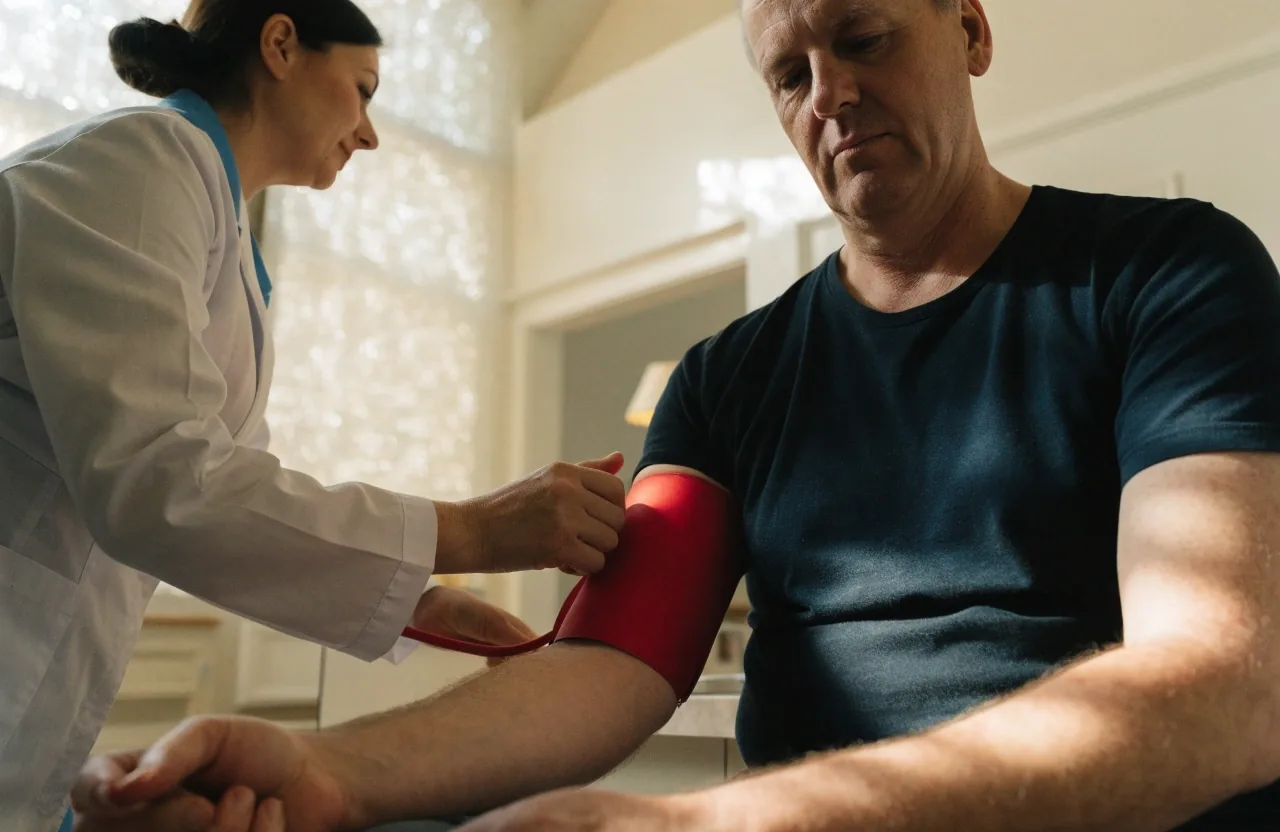
Blood pressure, the quiet one
High blood pressure usually has no symptoms, which is why it is checked at nearly every routine appointment. Knowing your numbers matters more than any lifestyle article, because it tells you whether the habits on this site are enough or whether you need medical guidance.
If your readings are consistently high, that is a conversation with your doctor rather than a reason to buy a monitor and worry alone. Lifestyle changes help, but they are not a substitute for treatment when treatment is needed.
Before you next measure
- Sit quietly for five minutes first, back supported and feet flat.
- Skip caffeine and a cigarette for half an hour beforehand.
- Take two readings a minute apart and note both, not the kinder one.
- Bring the numbers to your appointment rather than a memory of them.
Preparing for an appointment
Bring with you
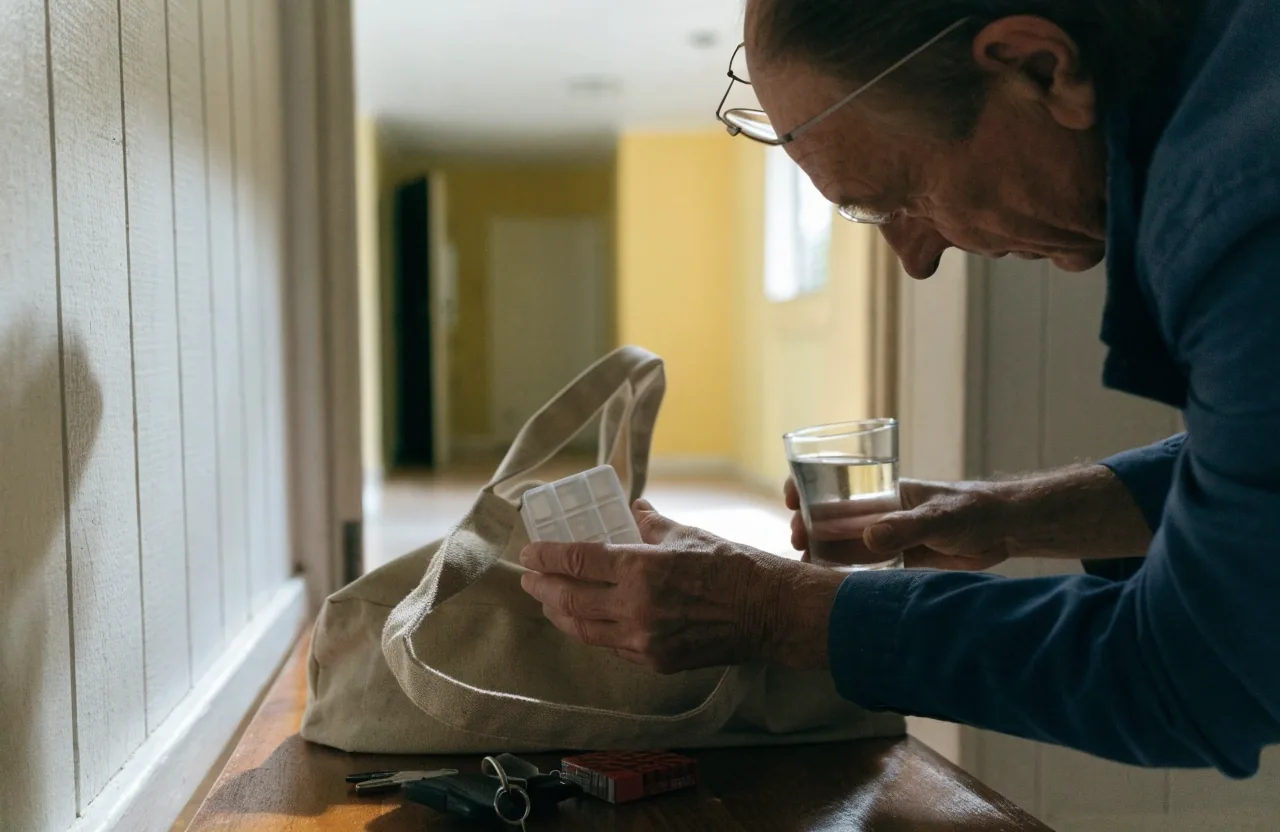
- A written list of medications and supplements, including doses.
- Any symptoms you have had, even ones that seemed minor at the time.
- Family history that is relevant to heart health or cancer.
- Home readings for blood pressure or sleep, if you have been tracking.
Worth asking
- Which national screening programmes you are currently due for.
- Whether any result from last year should be repeated this year.
- What the next step is if a result comes back unclear.
- Which changes are worth trying first, given your own history.
Appointments are short, so arriving with the important items written down makes a real difference. Ask what the next step is if a result is unclear — that saves a follow-up call later, and it means you leave knowing what happens next rather than waiting to find out.
When something feels off
If you notice a persistent change — unexplained weight loss, a lump, ongoing fatigue, or bleeding that should not be there — book an appointment rather than waiting for your next routine visit.
Most such changes turn out to be benign, but the point of early detection is that you do not have to guess. This site does not diagnose anything, and no article can replace an examination.
Use it to prepare questions, not to answer them yourself. If you are unsure whether something is worth raising, raise it anyway — that is what the appointment is for.
Contact the editors with a question
Making prevention a habit, not an event
The most common pattern is a burst of appointments after a scare, then years of nothing. A better approach is a simple calendar you can keep.
One checkup with your family doctor
The anchor of the year. Blood pressure, a conversation about how you have been, and blood work if your doctor thinks it is due.
Dental visits, booked in advance
Book the next one before you leave the chair. It removes the decision from your calendar entirely.
Any screening you are due for
Answer the invitation when it arrives. There is no benefit in letting it sit unread for a season.
That is the whole system, more or less. Keeping it boring is the goal. Our Everyday Habits page covers the daily side of prevention, and the Recovery and Spa Culture page covers the rest side, because both support the same underlying aim.
The bigger picture: living well, not just longer
Slovenia's healthy life expectancy remains significantly above the EU average, and official reporting treats it as a key quality-of-life indicator. That number reflects both healthcare and daily life, which is why this site covers habits and checkups together rather than separately.
Living well for longer is not a single decision. It is a set of small ones, repeated. Prevention is the part you schedule, and the rest is what you do between appointments — how you eat, how you move, how you recover.
Questions readers send us most often
How often should an adult in Slovenia see a family doctor?
Once a year suits most healthy adults without ongoing conditions. If you take regular medication or have a diagnosed condition, your doctor may want to see you more often — follow their schedule rather than a general rule.
The screening invitation arrived and I feel fine. Do I still go?
Feeling fine is the normal condition for early-stage problems, which is exactly why the invitation exists. If you are unsure whether the programme applies to you, ask at your next appointment instead of deciding alone.
I moved to Slovenia recently. Where do I start?
Register with a family doctor first and bring any records you have from your previous country. Once you are in the system, ask which screening programmes you are due for and when the next routine checkup should be.
Can checkups replace healthy daily habits?
No, and the daily habits cannot replace checkups either. The two work together: habits shape your baseline, and checkups are how you find out whether that baseline is holding.
Keep it boring, and keep it going
Prevention is the least exciting topic on this site and probably the most useful. It comes down to short, routine appointments rather than dramatic interventions, repeated for years. If you would like to keep reading, the pages below pick up where this one stops.
Nutrition, Vitality & Rest
Gosposka ulica 14, 2000 Maribor, Slovenia
Monday to Friday, 9:00 AM – 6:00 PM
We are an editorial guide, not a clinic. Nothing here diagnoses a condition or replaces an examination with a doctor who knows your history.