
Everyday eating · Slovenia
Everyday eating for energy and long-term health
A short list of eating patterns that hold up across most diets — with honest notes on where the evidence is thinner.
- Build the plate: vegetables, protein, starch daily
- Keep water as the default drink all day
- Protein and fiber at most meals most
- One 20-minute meal rotation per week weekly
- Alcohol-free days, counted weekly 3–4 days
- Cleansing teas and juice fasts skipped
Six patterns below, with the reasoning and the limits. Nothing here needs a scale or an app.
Why this page skips the extremes
Nutrition advice tends to arrive in extremes, which is why so many people give up and eat whatever's fastest. This page takes the opposite approach: a small number of patterns that hold up across most diets, plus honest notes on where the evidence is thinner.
It's written for adults in Slovenia who eat normal food, including traditional dishes, and want a way of eating they can keep without tracking every gram. There is no ideal week to copy here — only defaults that survive a busy Tuesday and a Sunday lunch with family. Where something is genuinely uncertain, we say so rather than inventing a rule.
The plate, without the spreadsheet
A useful default is to build most meals around vegetables, a protein, and a starch, in whatever proportions suit your appetite. That covers the majority of what your body needs without counting anything. Protein matters more than many people assume, especially after 50, because it helps preserve muscle alongside movement.
Traditional Slovenian dishes fit this pattern if you keep the vegetable portion generous. You don't need to eliminate potatoes, bread, or oil; you need a plate that isn't mostly one thing. Jota with a lighter hand on the pork, štruklji beside a salad, a bowl of bean soup with bread and a side of raw vegetables — the pattern survives the cuisine without replacing it.
What to keep an eye on isn't any single ingredient but the shape of the whole meal. If a plate is mostly pasta, mostly bread, or mostly meat, you've drifted — add the missing third and move on. No weighing, no logging, no app open on the counter.
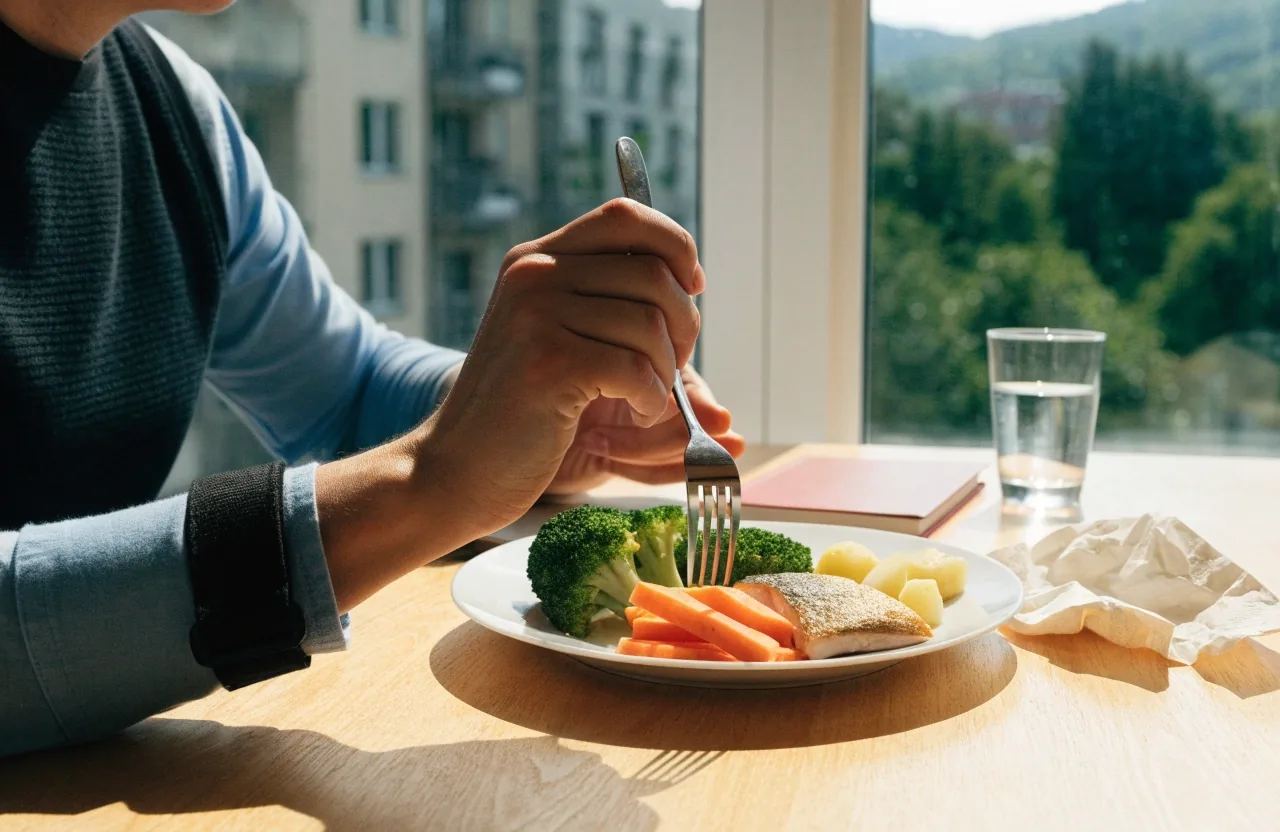
A default proportion — not a rule. Generous vegetables, a real protein, a starch you actually enjoy.
Hydration, and why it's underrated
Most adults run slightly under on fluids, and the first sign is often fatigue rather than thirst. Water as the default drink handles this without much thought.
Start here
Put water where you can see it
A bottle on the desk or a jug on the counter works better than a reminder on your phone. Visible water gets drunk; remembered water often doesn't.
Change one thing
Swap a single sugary drink
Replace one habitual soft drink or sweetened coffee with water rather than trying to cut all of them at once. One swap sticks; a purge usually doesn't.
Worth knowing
Tea and coffee still count
Both add to your daily fluids. Where the caffeine matters is timing — a late afternoon pot can cost you sleep, and poor sleep shows up as the same fatigue you were trying to fix.
Alcohol sits in a separate category and gets its own honest treatment further down this page. If you want the everyday version first, our Everyday Habits guide covers the daily routines around meals, sleep, and alcohol-free days.
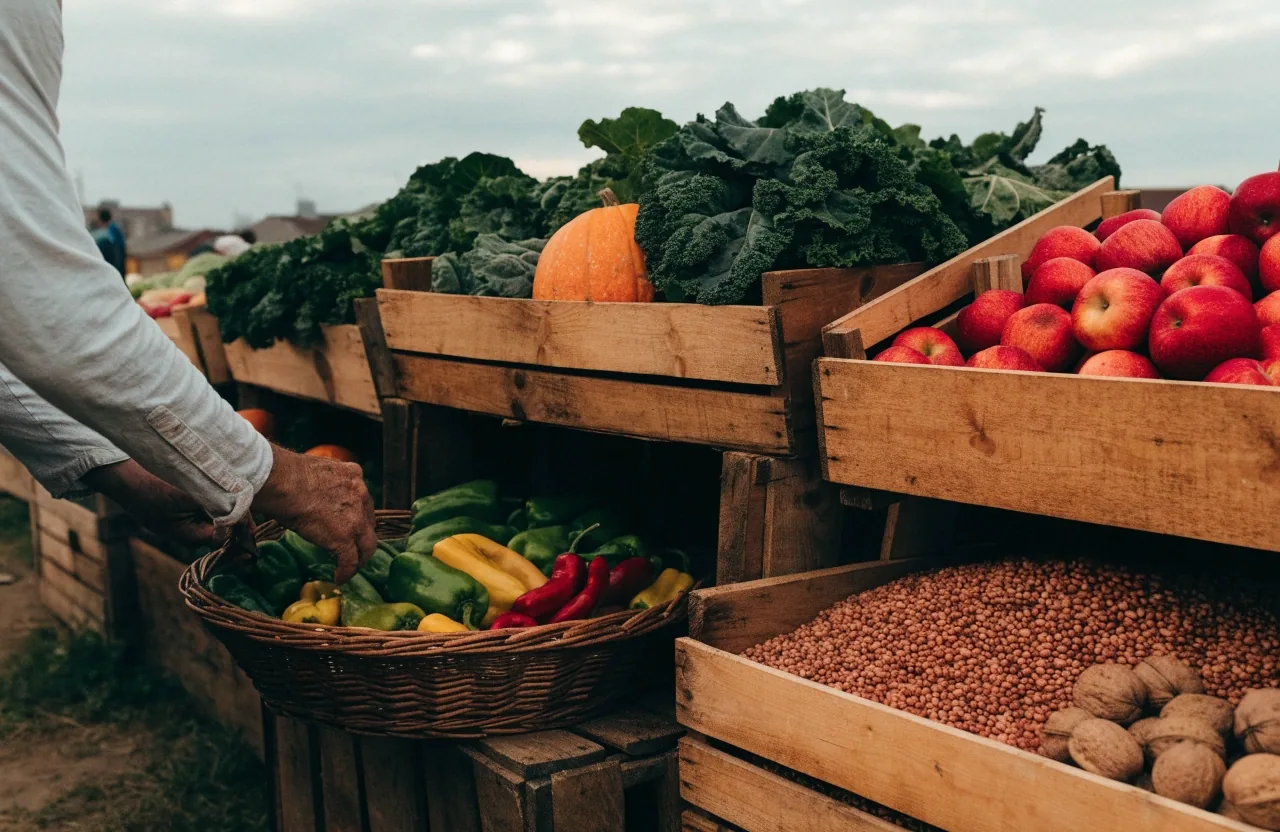
Seasonal food in Slovenia is cheap, close, and already matches what the plate pattern asks for.
Protein, fiber, and the two things most people miss
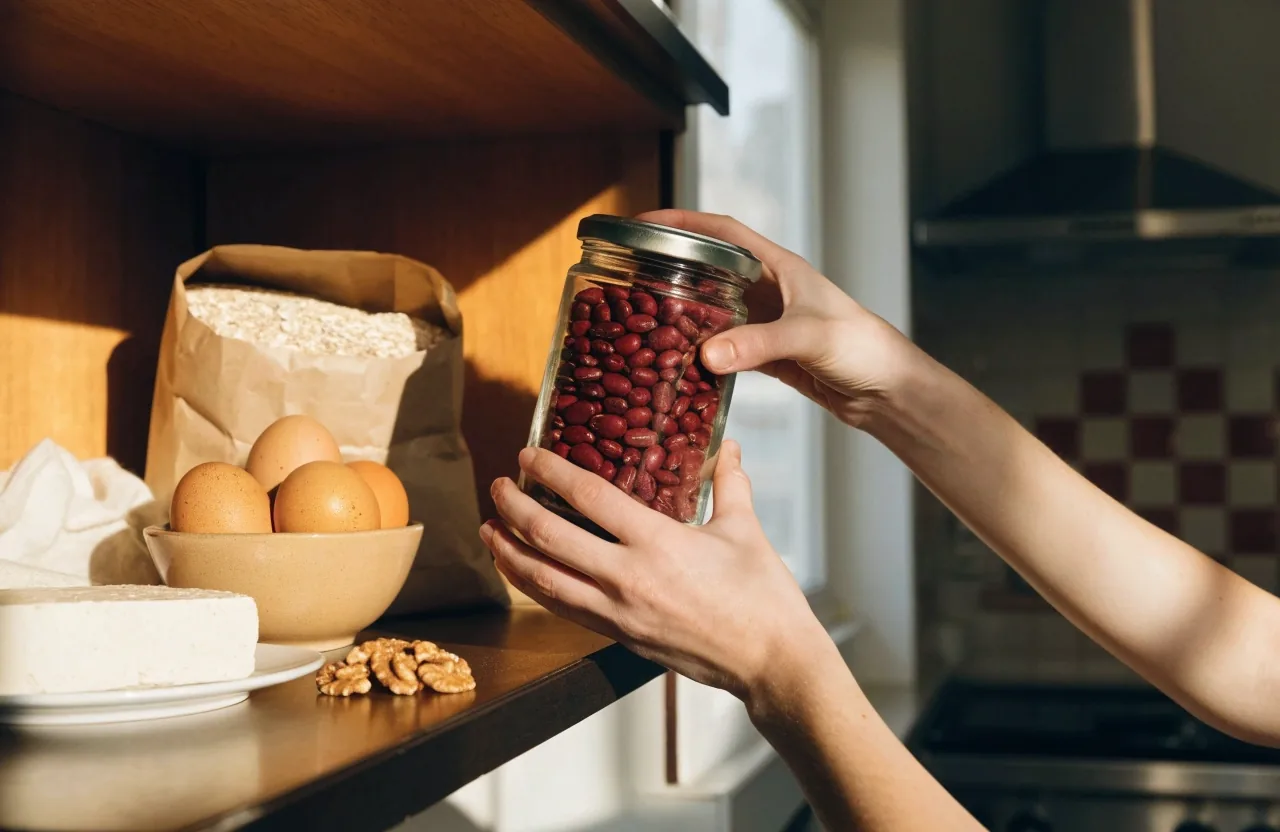
If there's a short list of nutrients that get overlooked, protein and fiber are on it. Protein appears in eggs, fish, meat, dairy, legumes, and tofu; fiber comes from vegetables, fruit, whole grains, and beans. Both help with satiety, which means you eat less without trying.
- Protein sources
- most meals
- Fiber at the same sitting
- most meals
- Supplements for either
- rarely needed
Aim to include one source of each at most meals rather than concentrating them at dinner. This is simpler than supplement marketing suggests, and generally cheaper. A pot of beans cooked on Sunday covers three weekday lunches; two eggs and a slice of rye covers a breakfast.
What to do about detox claims
Your liver and kidneys already handle detoxification, and no tea, juice, or supplement changes that in a meaningful way. Slovenian wellness culture sometimes pairs the word with spa programs, and the useful part of those is usually the rest, the water, and the food — not any cleansing mechanism.
- A product that promises to flush toxins marketing claim
- A spa week with water, rest, and simple food the useful part
- A juice fast replacing meals for a week skip it
- Fewer drinks, more water, and more sleep what helps
Rest, hydration, and less alcohol do more for how you feel than any cleanse. If a spa program appeals, book it for the rest and the water, and let the staff tell you what the food is — you'll get the benefit without paying for a mechanism that isn't there.
Eating around a working week
Weekday eating fails for logistical reasons more than nutritional ones. A short rotation of meals you can make in 20 minutes, plus a default lunch option near work, removes most of the friction.
Batch cooking one or two components on Sunday, like a pot of beans or roasted vegetables, makes weekday meals faster. If you eat out often, the plate pattern still applies; you're just choosing from a menu instead. The goal is a system, not daily willpower — a good system works on the day you got home late.
Plan an active weekendAlcohol and the honest version
Less is better and none is best, and that guidance doesn't shift with new wellness trends. If you drink most evenings, the biggest gains come from adding alcohol-free days rather than switching types of drink. This isn't a moral question, and there's no prize for extremes.
A practical way to start: pick two evenings this week that stay dry, and put them on the calendar rather than deciding in the moment. If they turn out easy, add a third. If cutting back is difficult, that's worth raising with your doctor rather than handling alone — that conversation is covered on our Preventive Checkups page.
Supplements, kept in proportion
Most adults eating a varied diet don't need a long list of supplements. A few are worth discussing with a clinician based on your situation, such as vitamin D in winter or B12 if you eat little animal food.
Anything beyond that should come from a specific reason, not a general sense that more is better. Supplements can interact with medications, so mention them at your next checkup. Our Preventive Checkups page explains how that conversation usually goes.


Where food fits in the bigger picture
Nutrition is one input among several, and it works best alongside sleep, movement, and routine checkups rather than in isolation. If you're sleeping badly, no meal plan will fix the resulting fatigue. If you're not moving, protein does less for your muscles than it could.
Read this page as one part of a system. The Everyday Habits and Movement and Active Days guides carry the other two; Recovery and Spa Culture covers how rest and thermal bathing sit alongside all of it.
Questions that come up most
Short answers to the things readers ask before they change anything. If yours isn't here, send it and we'll cover it.
Do I need to count calories or macros to eat well?
No. Building meals around vegetables, a protein, and a starch covers most of what you need, and it holds whether you cook at home or order from a menu. Counting is useful for some people for a short, specific reason — a medical one, usually — but it's a poor long-term system for most.
Can I still eat Slovenian food like jota or štruklji?
Yes, and you probably should — food you enjoy is food you'll keep eating. Keep the vegetable portion generous and the portions reasonable, and the traditional dishes fit the pattern fine. A cuisine isn't the problem; a plate that's mostly one thing is.
How much water is actually enough?
There's no single number that fits everyone — needs shift with weather, activity, and what you eat. Water as your default drink, visible and available, handles it for most adults without measuring anything. Pale urine and steady energy are the practical signals.
Should I take a multivitamin just in case?
For most adults eating varied food, there's no strong reason to. A few specific supplements are worth discussing with a clinician for your situation, but "just in case" is a reason to ask, not a reason to buy. Bring whatever you already take to your next checkup so it can be reviewed properly.
Does any of this change after 50?
The plate stays the same; the emphasis shifts slightly. Protein and strength work matter more for preserving muscle, and a clinician may flag specific nutrients based on your bloodwork. The structure doesn't need rebuilding — it needs a bit more attention paid to two of its parts.
Where to go next
Reading one page is easy; keeping a routine is the part that takes company. Pick the next stop that matches the gap you notice most, or send us the question this page didn't answer.
Nutrition, Vitality & Rest · Gosposka ulica 14, 1000 Ljubljana · Monday to Friday, 9:00 AM – 6:00 PM