Movement and active days
Walking, cycling, and nature-based days in Slovenia
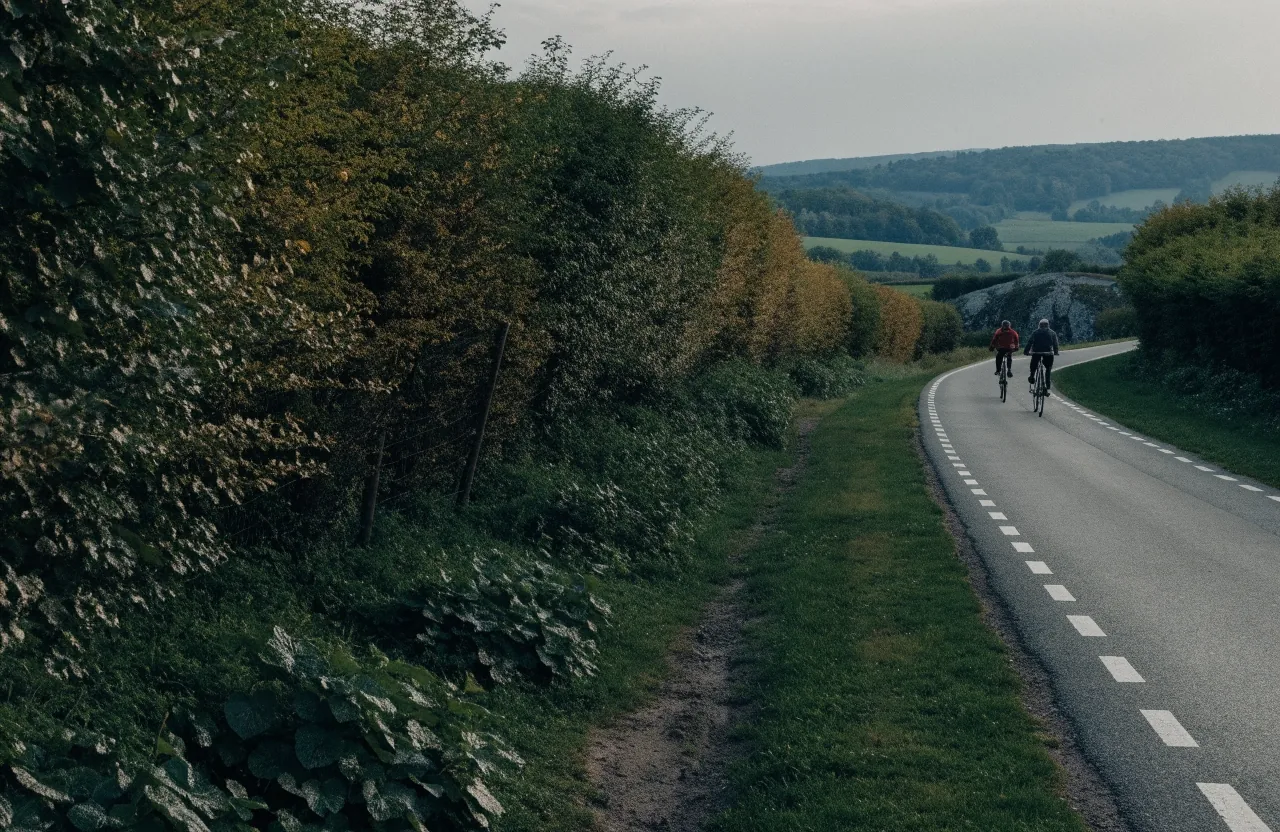
Trails start near most towns, cycling routes link valleys, and an active weekend often ends in thermal water. This is how adults who are not athletes build movement into ordinary weeks.
Why enjoyment decides whether you keep going
Movement you dislike is movement you quit. That sounds obvious, but a lot of fitness advice ignores it. Walking and cycling work for most adults because they are easy to start, easy to fit around work, and easy to keep doing after the novelty fades.
The health benefit comes from the total volume across the week, not from any single impressive session. If you are choosing between a hard class you dread and a brisk daily walk you enjoy, the walk is the better long-term bet.
Repeatable beats impressive. Volume across seven days is what counts.
The weekday baseline
During the working week, aim for movement that fits in the gaps. A 30-minute walk most days is a reasonable floor for most adults. If that is too much, split it: 15 minutes before work and 15 after dinner.
Cycling to the shop or the station replaces a car trip and adds up quietly. The main enemy is uninterrupted sitting, so standing and short walks during the day matter alongside any dedicated exercise. You do not need a device to track it; you will know if you moved.
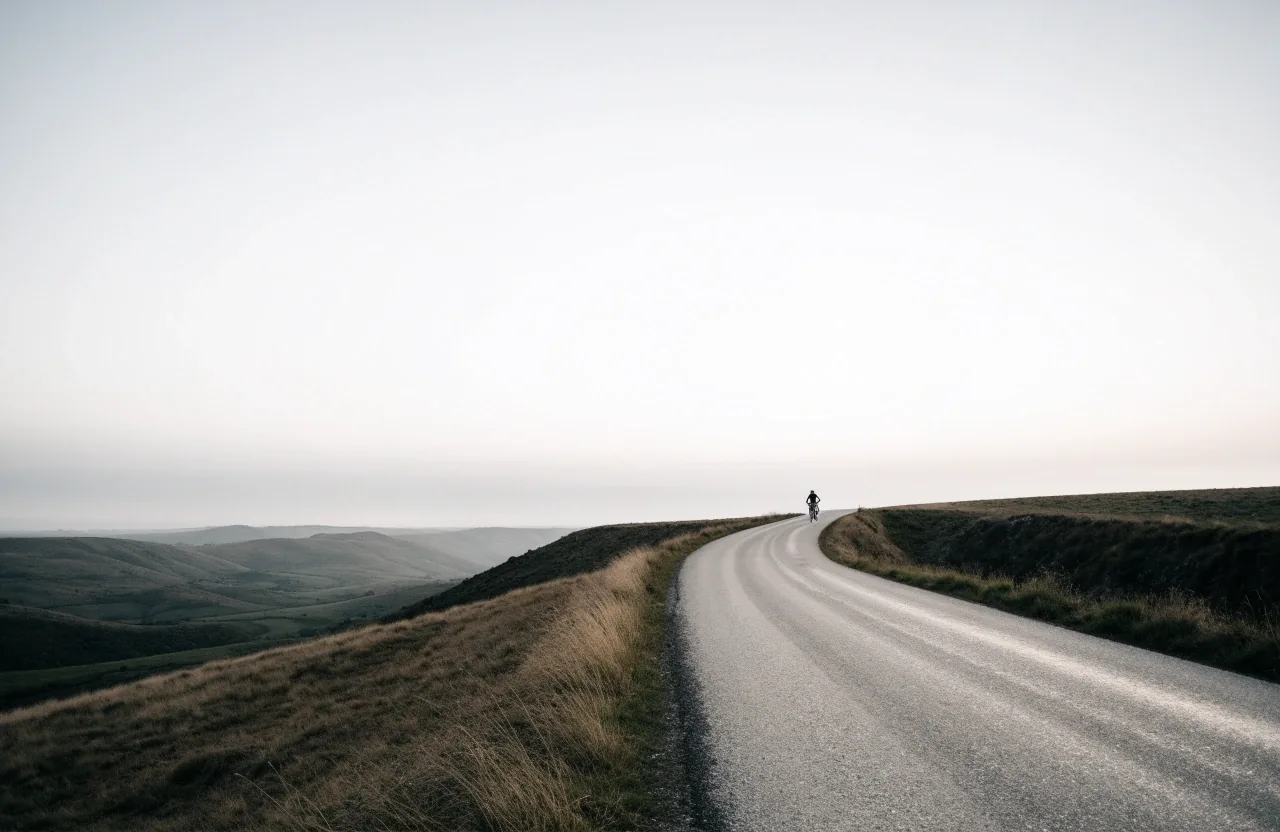
Weekends are where Slovenia gives you options: a half-day walk in the hills, a cycling loop along a river, or a forest trail near a health resort.
Weekends as active days
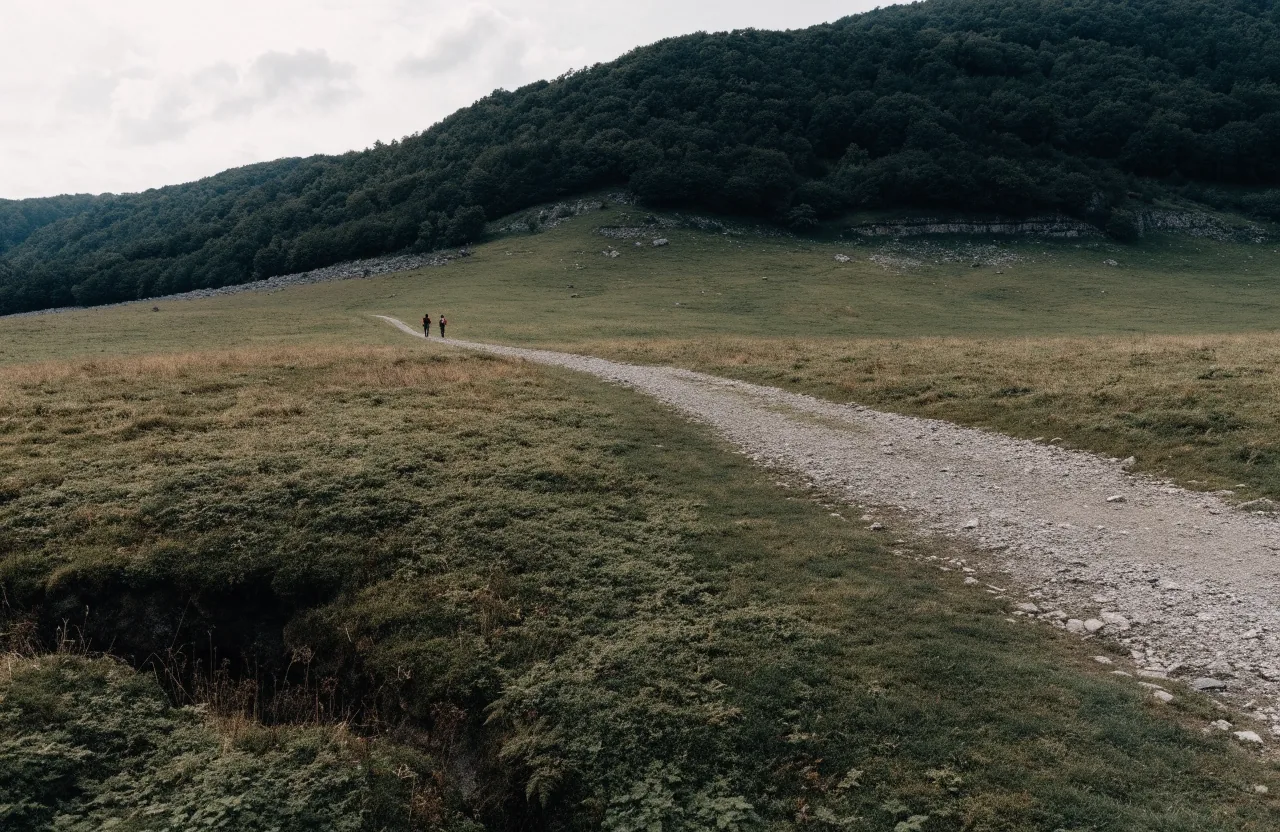
One active block per weekend is enough
Plan a single half-day of movement rather than trying to fill both days. A half-day walk in the hills, a cycling loop along a river, or a forest trail near a health resort all count. A single good walk is enough to change how the week feels.
Choose the day the weather supports and let the other one stay open. Your legs, and the following week, will thank you for leaving a margin.
Walking in the hills
Most Slovenian towns have a marked trail within a short drive. Pick elevations you can talk on the way up, not just on the way down.
Cycling a river loop
River valleys are flat and shaded, and the distances are easy to shorten. A loop of an hour or two is a real weekend, not a compromise.
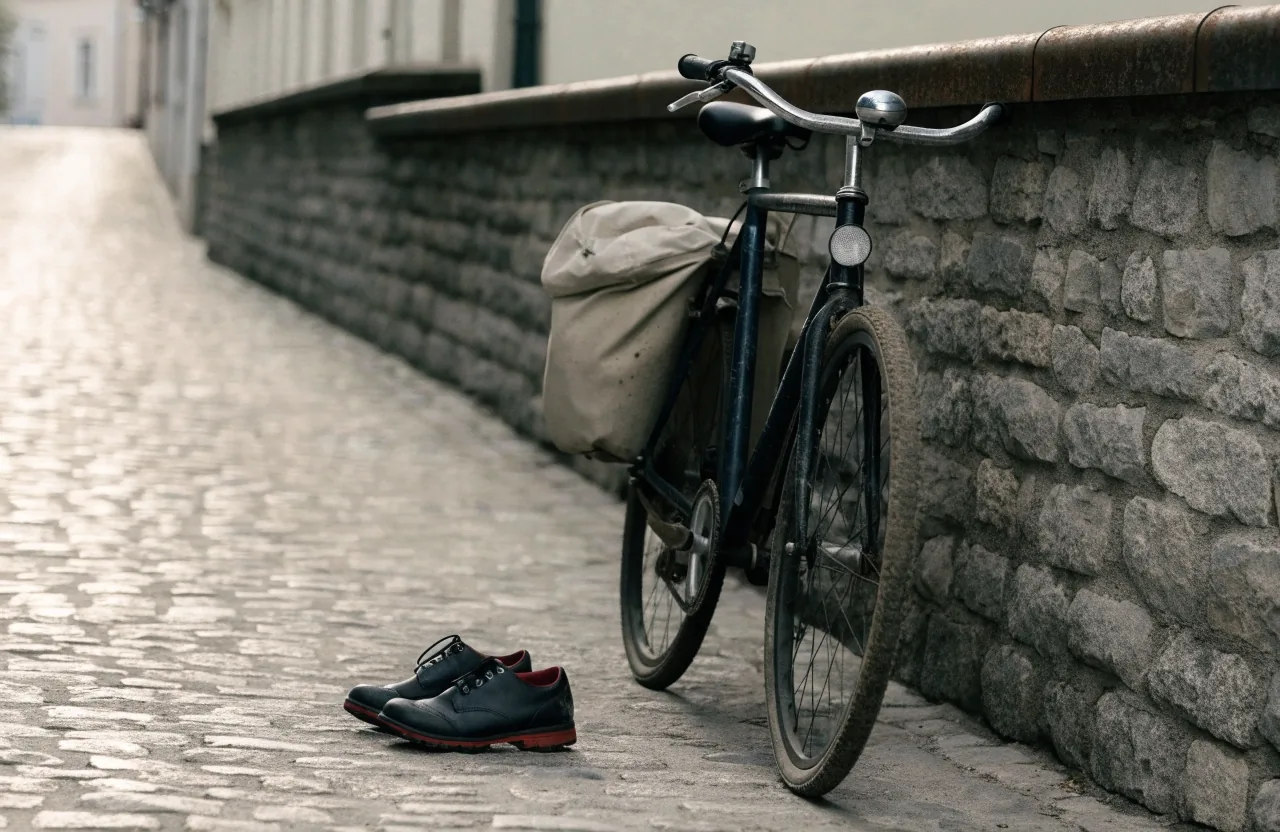
Cycling, for commuting and for pleasure
Cycling covers two needs at once: transport and exercise. For commuting, the practical questions are distance, safe routes, and whether you have somewhere to change. For leisure, the questions are easier, because you can pick a flat route and a short distance to start.
- Commute distance
- under 8 km
- Weekday loop
- Change of clothes
- needed
Electric bikes are a legitimate option, particularly for hills or longer commutes, and they still involve real effort. The goal is a habit you will repeat, not a purity test about what counts as exercise.
Nature as recovery, not just scenery
Time outdoors does something that indoor exercise does not fully replicate, which is part of why nature-based recovery features so heavily in Slovenian wellness culture. Walking in a forest, sitting by water, or cycling through farmland tends to lower the sense of pressure around activity.
That matters if you have previously associated exercise with gyms and performance. Pairing movement with a pleasant place makes the habit easier to maintain and gives you a reason to return.
Forest walking
Shade, soft ground, and a route that keeps turning. The pace usually settles by itself within ten minutes.
Sitting by water
A riverbank or a thermal basin edge turns a break into something you look forward to, which is what makes it repeatable.
Farmland loops
Cycle through open fields on quiet lanes. Flat, close to a town, and easy to cut short if the weather turns.
Building an active holiday that isn't punishing
An active holiday works best when it alternates effort and rest. A morning walk, a long lunch, an afternoon in thermal water, and an early night is a realistic pattern.
Slovenian tourism promotes this blend, sometimes under the selfness concept, which describes a lifestyle centered on physical and mental health and good energy, often paired with meditation and exercise in nature. The trap is over-scheduling. Two or three active blocks across a week away will feel better than filling every day.
A week of active days
Two or three active blocks across a week away is plenty. Leave the rest open.
Moving with others, and alone
Walking with a friend, a partner, or a group makes the habit harder to skip, which is why so many people pair up for weekend walks. Others prefer solitude, and that is fine too.
Couples often split the difference between one person's pace and the other's. If you are starting alone, a regular route and a regular time removes most of the decision-making. Our Everyday Habits page covers how to anchor movement to an existing part of your day.
If you're starting from zero
Start smaller than feels impressive. Ten minutes daily for two weeks, then extend. If you have joint pain, heart concerns, or a condition you are managing, talk to your doctor before increasing intensity.
For everyone else, the main risk is doing too much too soon and quitting. A gradual build over a few months beats an enthusiastic first week followed by nothing.
A build that holds
Recovery and Spa Culture explains how rest fits into this, and Preventive Checkups covers the medical side.
Questions adults ask before starting
How much walking is enough in a normal week?
A 30-minute walk most days is a reasonable floor for most adults, and it can be split into two 15-minute blocks. The total across the week matters far more than the length of any single session. If you cannot hold a conversation on a walk, slow down rather than shorten it.
Do I need a watch or an app to know if I moved enough?
No. Most people can tell whether a day included real movement without any data. Trackers are useful for some, and they help with cycling distances, but they should not become the reason to go. If a device makes an ordinary walk feel like it does not count, put the device away for a week.
Are electric bikes cheating?
No. An electric bike still requires pedalling, and it makes hills and longer commutes realistic for adults who would otherwise drive. The habit you keep matters more than the purity of the effort, especially in the first months when consistency is the hard part.
What if a joint or heart concern makes me hesitate?
Talk to your doctor before increasing intensity if you are managing a joint problem, heart concern, or another condition. Gentle walking is often still possible, and the useful question is what intensity and duration your situation supports, not whether you move at all.
Start with one weekend, then let the week catch up
Pick a single walk or cycle loop for this weekend. Keep the day loose, plan one active block rather than two, and let the weekday baseline fill in around it. If something in your health history suggests checking first, the Preventive Checkups guide covers what to arrange before increasing intensity, and Recovery and Spa Culture explains how rest fits between the active days.
Nutrition, Vitality & Rest · Gosposka ulica 14, 2000 Maribor, Slovenia · +386 2 250 8192 · [email protected] · Monday to Friday, 9:00 AM – 6:00 PM